

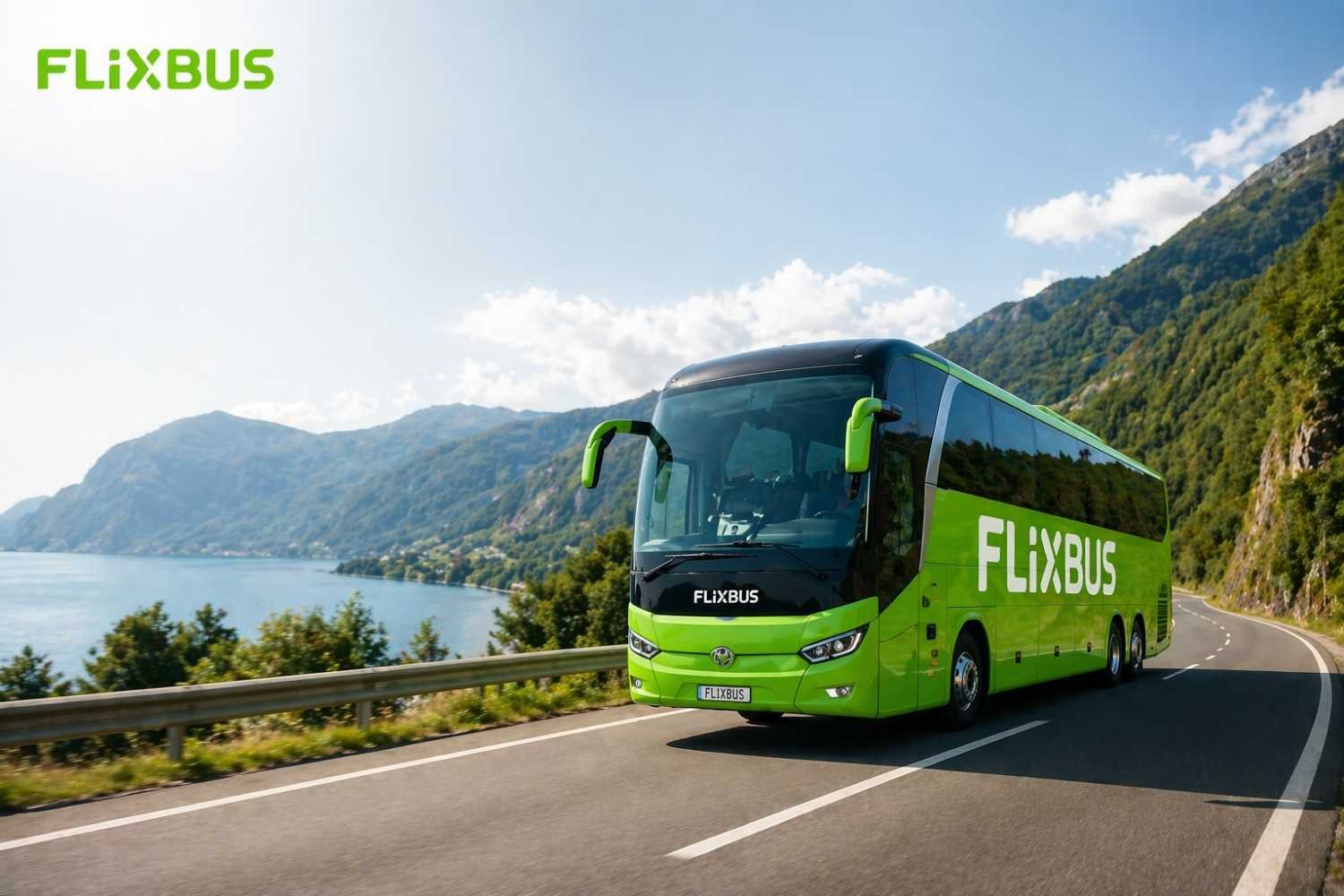
Budget travel in Europe has evolved dramatically over the last decade, and one name that consistently comes up in conversations is FlixBus. Known for its bright green buses and ultra-low fares, FlixBus has become a go-to option for students, backpackers, and even casual tourists looking to explore Europe without spending a fortune. But in 2026, with rising travel costs and more competition, is FlixBus still the cheapest and most practical way to travel across Europe? Let’s take a deeper look.
🚍 What is FlixBus and How Does It Work?
FlixBus operates as a tech-driven mobility platform rather than a traditional bus company. It partners with local bus operators across Europe while managing routes, pricing, and booking through its centralized system. This model allows it to keep costs low and expand quickly across countries.
Today, FlixBus connects hundreds of cities across Europe, including popular destinations like Paris, Berlin, Amsterdam, Prague, and Rome. The booking process is simple and fully digital, making it extremely convenient for modern travelers. Tickets can be purchased through the website or mobile app, and boarding is usually seamless with just a QR code.
💸 Is FlixBus Really the Cheapest Option?
When it comes to pricing, FlixBus is often hard to beat. Tickets for short routes can start as low as €5–€10, while longer international journeys are still significantly cheaper compared to trains or flights. For example, traveling between major cities like Berlin to Prague or Milan to Venice via FlixBus can cost a fraction of what you would pay for a train ticket.
However, pricing depends heavily on timing. If you book early, you can secure extremely low fares. Last-minute bookings, especially during weekends or peak tourist seasons, can be more expensive—though still usually cheaper than alternatives.
Compared to budget airlines, FlixBus often wins on total cost because there are no hidden fees for luggage, seat selection, or check-in. What you see is generally what you pay, which makes it appealing for budget-conscious travelers.
🪑 Comfort and Onboard Experience
One of the biggest concerns people have about bus travel is comfort, especially for long journeys. FlixBus does a reasonably good job here. Most buses are equipped with reclining seats, decent legroom, air conditioning, and onboard Wi-Fi. Power outlets are usually available, allowing you to charge your devices during the trip.
That said, comfort can vary depending on the route and operator. Since FlixBus works with different partners, the quality of buses is not always consistent. Some buses feel modern and well-maintained, while others may feel slightly older. Still, for the price you pay, the experience is generally acceptable.
Long overnight journeys can be tiring, especially if you’re not used to sleeping on buses. But for shorter trips of 3–6 hours, FlixBus is quite comfortable and practical.
🌍 Coverage and Accessibility
One of FlixBus’s strongest advantages is its extensive network. It connects not only major cities but also smaller towns that are often not well-served by trains or flights. This makes it an excellent option for travelers who want to explore offbeat destinations.
The flexibility of routes also means you can plan multi-city trips easily. Whether you’re backpacking across Europe or planning a budget itinerary, FlixBus gives you access to a wide range of destinations without breaking the bank.
⏱️ Travel Time vs Cost Trade-Off
While FlixBus is cheap, it’s not always the fastest option. Bus journeys can take significantly longer than trains or flights, especially for long distances. For instance, a route that takes 4 hours by train might take 7–8 hours by bus.
This creates a trade-off between time and money. If you’re traveling on a tight budget and have flexible schedules, FlixBus is a great choice. But if you’re short on time, you might prefer faster options even if they cost more.
📱 Booking, App & User Experience
The FlixBus app is one of its strongest features. It allows users to:
- Search routes easily
- Compare prices
- Store tickets digitally
- Track bus schedules in real time
The interface is clean and beginner-friendly, making it ideal even for first-time travelers in Europe. Notifications and updates about delays or platform changes are also helpful, especially in unfamiliar cities.
⚠️ Downsides You Should Know
Despite its many advantages, FlixBus is not perfect. Delays can happen, especially on long routes or during peak travel times. Traffic conditions and border crossings can also affect schedules.
Another limitation is inconsistency in service quality. Since buses are operated by partner companies, the experience may vary from one journey to another. Customer support is mostly online, which might not be ideal in urgent situations.
Additionally, while Wi-Fi is available, it’s not always reliable—so it’s best not to depend on it for important work.
🏆 Final Verdict: Is FlixBus the Cheapest Way to Travel in Europe?
In most cases, yes—FlixBus remains one of the cheapest ways to travel across Europe in 2026. It offers unbeatable pricing, wide coverage, and decent comfort for the cost. For budget travelers, students, and backpackers, it’s an excellent choice.
However, it’s not always the best option for everyone. If speed, luxury, or guaranteed comfort is your priority, trains or flights may be better alternatives. But if your goal is to save money and explore more destinations, FlixBus delivers exceptional value.
💡 Final Thoughts
FlixBus represents a shift in how people travel—making Europe more accessible and affordable than ever before. With a bit of planning and flexibility, you can travel across multiple countries at a fraction of the usual cost.
So, if you’re planning a European trip in 2026 and want to keep your budget under control, FlixBus is definitely worth considering.