


Keeping your pets healthy starts with timely vaccinations. Vaccines protect dogs and cats from serious, contagious, and potentially life-threatening diseases. Whether you’ve just adopted a puppy or kitten—or want to ensure your adult pet is up to date—this guide explains the vaccination schedule for dogs and cats in a simple, vet-approved way.
Why Vaccinations Are Important for Pets
Vaccinations help:
- Prevent deadly diseases like rabies and distemper
- Protect other pets and humans (zoonotic diseases)
- Reduce long-term medical costs
- Meet legal and travel requirements
Skipping or delaying vaccines can put your pet—and others—at risk.
Dog Vaccination Schedule
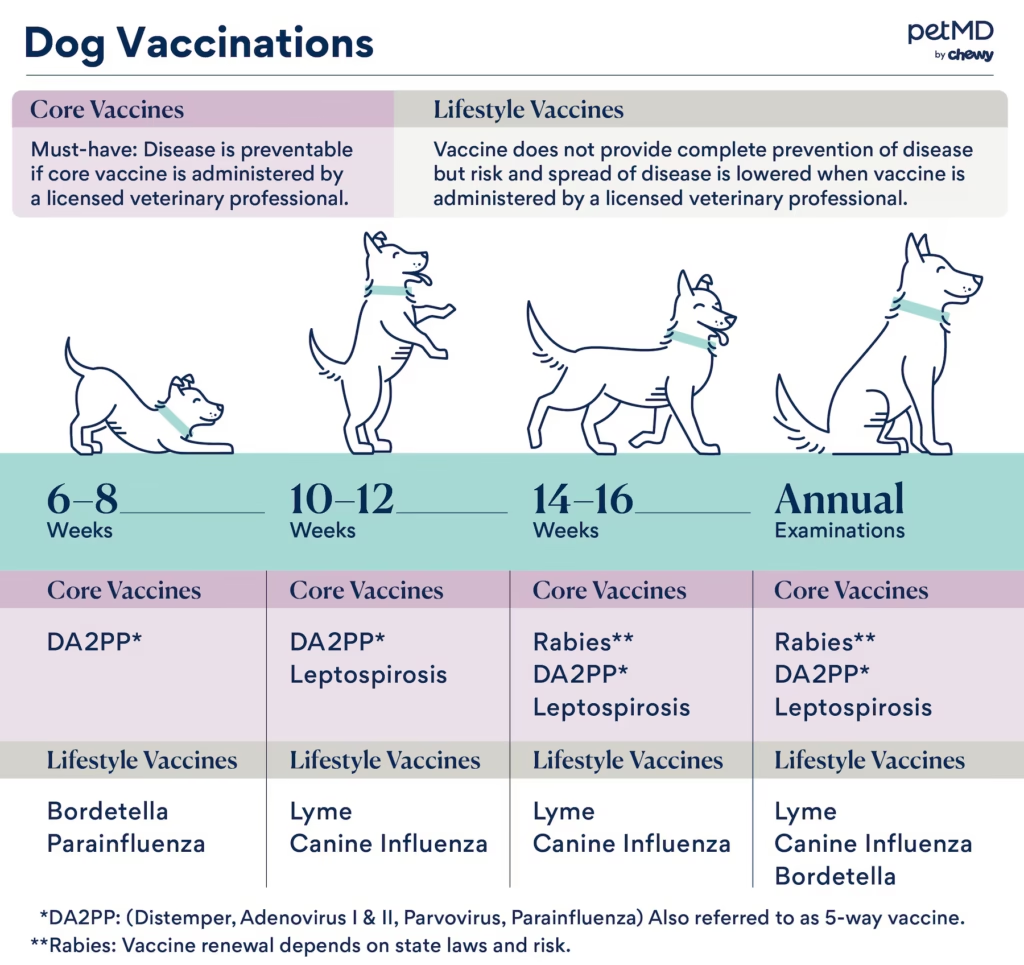
Core Vaccines for Dogs
Core vaccines are recommended for all dogs, regardless of lifestyle.
| Vaccine | Protects Against |
|---|---|
| Rabies | Rabies virus (fatal & zoonotic) |
| DHPP | Distemper, Hepatitis, Parvovirus, Parainfluenza |
Non-Core Vaccines (Lifestyle-Based)
- Bordetella (Kennel cough)
- Leptospirosis
- Lyme disease
- Canine influenza
Puppy Vaccination Schedule
| Age | Vaccines |
|---|---|
| 6–8 weeks | DHPP (1st dose) |
| 9–12 weeks | DHPP (2nd dose), Leptospirosis |
| 12–16 weeks | DHPP (3rd dose), Rabies |
| 12 months | DHPP booster, Rabies booster |
Adult Dog Booster Schedule
- DHPP: Every 1–3 years (as advised by vet)
- Rabies: Every 1–3 years (depending on local law)
- Non-core vaccines: Annually if required
Cat Vaccination Schedule
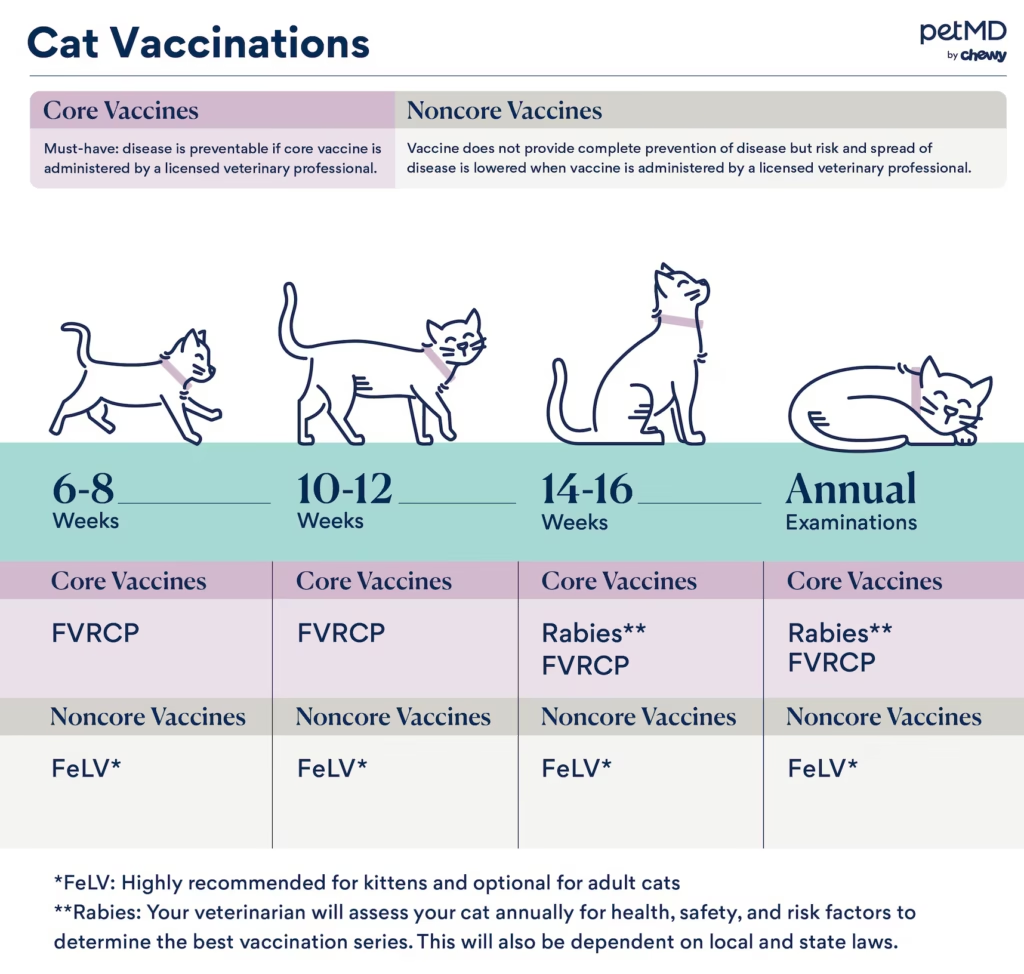
Core Vaccines for Cats
Core vaccines are essential for all cats, including indoor cats.
| Vaccine | Protects Against |
|---|---|
| Rabies | Rabies virus |
| FVRCP | Feline viral rhinotracheitis, calicivirus, panleukopenia |
Non-Core Vaccines
- FeLV (Feline leukemia virus)
- FIV (risk-based)
Kitten Vaccination Schedule
| Age | Vaccines |
|---|---|
| 6–8 weeks | FVRCP (1st dose) |
| 9–12 weeks | FVRCP (2nd dose), FeLV |
| 12–16 weeks | FVRCP (3rd dose), Rabies |
| 12 months | FVRCP booster, Rabies booster |
Adult Cat Booster Schedule
- FVRCP: Every 1–3 years
- Rabies: As per law or vet recommendation
- FeLV: Annually for outdoor or high-risk cats
Indoor Pets: Do They Still Need Vaccines?
Yes. Indoor pets can still be exposed through:
- Humans carrying viruses on shoes or clothing
- Open windows or balconies
- Emergency boarding or travel situations
Vaccination provides a critical safety net.
Common Side Effects of Pet Vaccines
Most pets experience mild and temporary reactions, such as:
- Slight fever
- Lethargy
- Mild swelling at injection site
Severe reactions are rare, but consult your vet if symptoms persist beyond 24–48 hours.
Tips to Keep Your Pet’s Vaccination Schedule on Track
- Keep a vaccination record card
- Set calendar reminders
- Schedule annual vet check-ups
- Discuss lifestyle changes with your vet
Frequently Asked Questions (FAQs)
Can I delay my pet’s vaccinations?
Delaying can reduce protection and increase disease risk. Always consult your vet before changing schedules.
Are vaccines safe for puppies and kittens?
Yes. Vaccines are tested for safety and are essential during early development.
Is rabies vaccination mandatory?
In many countries and states, rabies vaccination is legally required for dogs and cats.
Final Thoughts
Following the correct vaccination schedule for dogs and cats is one of the most important responsibilities of pet ownership. Timely vaccines ensure your pet stays healthy, protected, and happy throughout their life.
Always consult a licensed veterinarian to customize the schedule based on your pet’s age, lifestyle, and local regulations 🐶🐱