

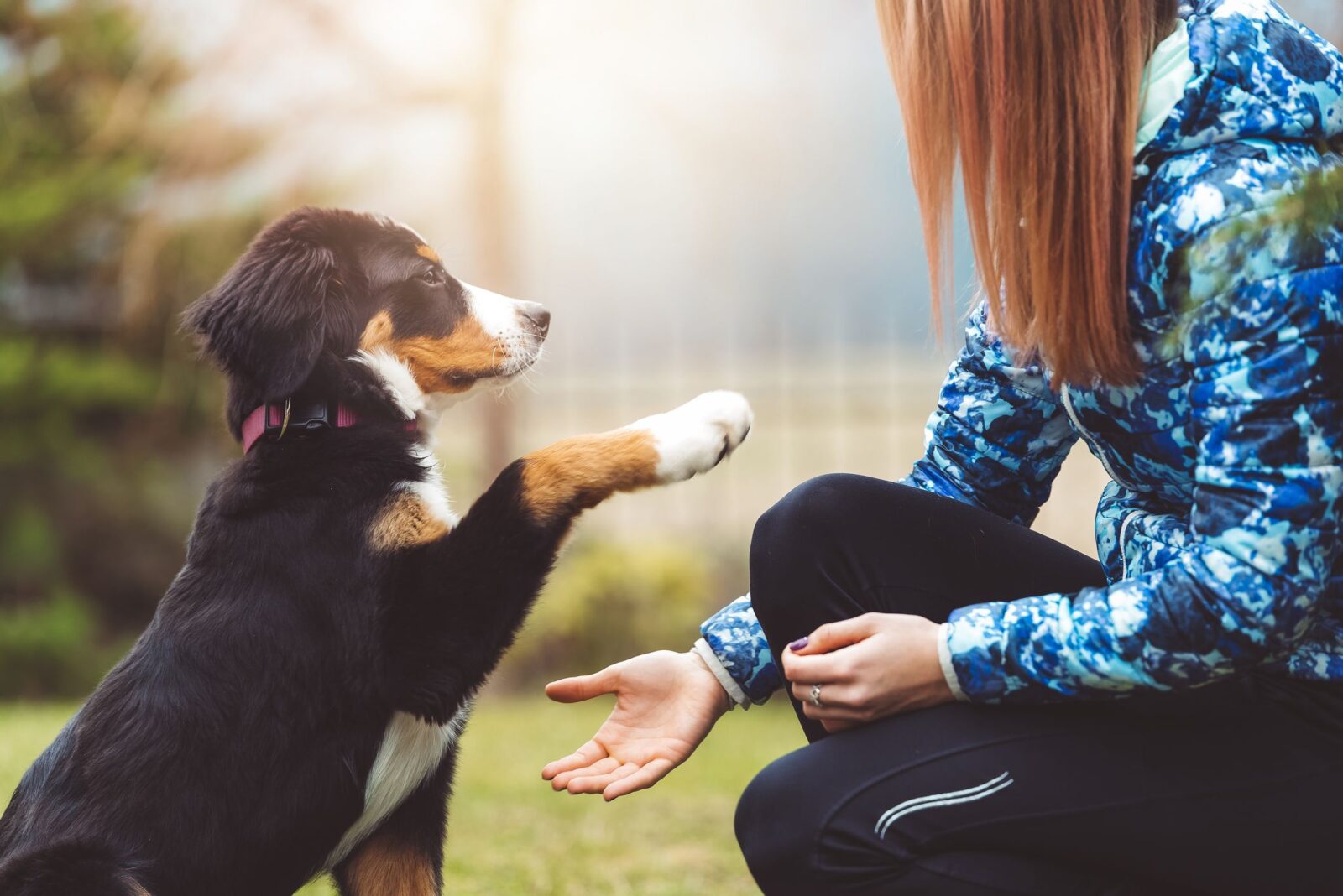
Bringing home a new dog is exciting, but training mistakes in the early days can lead to long-term behavior issues. Many new dog owners unknowingly reinforce bad habits or set unrealistic expectations. Understanding these common mistakes can help you raise a well-behaved, confident, and happy dog.
Below are the most common dog training mistakes new owners make—and how to avoid them.
1. Inconsistent Rules and Commands
One of the biggest mistakes is inconsistency. Allowing a behavior one day and correcting it the next confuses your dog.
Example:
- Letting your dog jump on guests sometimes
- Using different commands like “Down,” “Off,” or “Get down” for the same action
What to do instead:
Set clear rules and use the same commands, tone, and expectations every time. Make sure everyone in the household follows them consistently.
2. Expecting Instant Results
Dogs don’t learn overnight. New owners often expect quick obedience, which leads to frustration.
Why it’s a problem:
- Training takes repetition and patience
- Puppies especially have short attention spans
What to do instead:
Focus on small progress, practice daily, and remember that consistency over time builds reliable behavior.
3. Using Punishment Instead of Positive Reinforcement
Yelling, scolding, or physical punishment can damage trust and increase fear-based behaviors.
Common issues caused by punishment:
- Anxiety
- Aggression
- Avoidance of training
What to do instead:
Reward good behavior with treats, praise, or playtime. Positive reinforcement helps dogs learn faster and builds a strong bond.
4. Skipping Basic Obedience Training
Many owners jump straight to advanced tricks while ignoring basic commands.
Basics that should come first:
- Sit
- Stay
- Come
- Leave it
- Heel
Why it matters:
Basic obedience creates structure and helps manage real-life situations safely.
5. Training for Too Long in One Session
Long training sessions can overwhelm dogs, especially puppies.
Signs your dog is tired:
- Losing focus
- Ignoring commands
- Becoming restless
What to do instead:
Keep sessions short and fun—5 to 15 minutes is ideal. Multiple short sessions work better than one long one.
6. Not Socializing Early Enough
Lack of early socialization can lead to fear or aggression toward people, dogs, and new environments.
Common mistake:
Waiting too long to introduce your dog to:
- New people
- Other dogs
- Sounds, surfaces, and environments
What to do instead:
Gradually expose your dog to different experiences in a safe and positive way, especially during puppyhood.
7. Reinforcing Bad Behavior Without Realizing It
Dogs learn from what gets rewarded—even unintentionally.
Examples:
- Giving attention when your dog barks
- Petting them when they jump
- Letting pulling on the leash get them where they want
What to do instead:
Ignore unwanted behavior and reward calm, desired actions instead.
8. Lack of Mental and Physical Stimulation
A bored dog is more likely to misbehave.
Problems caused by under-stimulation:
- Chewing furniture
- Excessive barking
- Digging or restlessness
What to do instead:
Provide daily walks, playtime, puzzle toys, and training exercises to keep your dog mentally and physically engaged.
9. Not Being Patient or Calm
Dogs are highly sensitive to human emotions. Frustration or anger can slow training progress.
What to remember:
- Training is a learning process for both you and your dog
- Mistakes are normal
What to do instead:
Stay calm, patient, and positive—even on challenging days.
Final Thoughts
Dog training doesn’t require perfection—just patience, consistency, and understanding. By avoiding these common mistakes, new dog owners can build a strong foundation for lifelong good behavior and a trusting relationship.
With the right approach, training becomes less stressful and far more rewarding—for both you and your dog 🐾